Raspberry Pi – A Generation on from ZX81
Sir Clive Sinclair brought out one of, if not the FIRST home computer named the ‘ZX81’ it had 1000 bytes of memory and a Z80 processor which you could directly access and write code for. I was interested. There is something unique in bending the brain in this way !
If you were wealthy enough you could buy …. wait for it a 16000 byte ram-pack (extra memory) and you were the ‘bees knees’
As soon as “DOS” became “Windows”, the earliest I can remember is Windows 3.1 it appeared that even then there was an appetite for digital tinkering.
There were multitudes fiddling, twiddling, experimenting with early ‘home’ computing.
If you move on 50 years the same human interest applies to “The Raspberry Pi” which has taken the world by storm over the last few years.
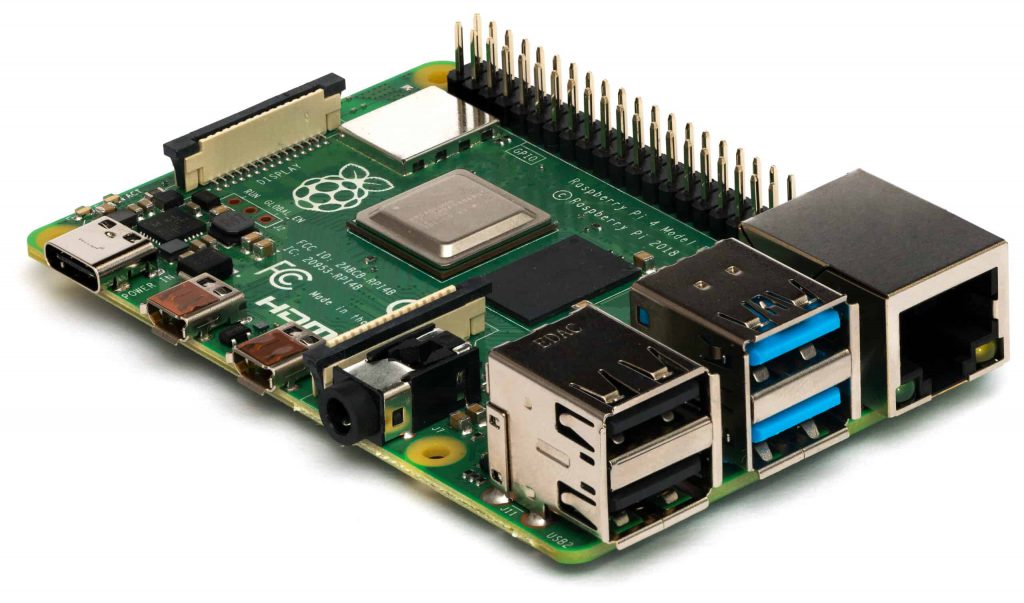
In my retirement I am experimenting with the ‘Pi’ to keep my mind active. I don’t do incredible things I just learn and achieve small goals, to stop me ‘hibernating’ in my old age.
Projects
There are thousands of ‘projects’ out there which are ‘Raspberry Pi’ related, so there is something for everyone, large and small. Some require sophisticated tools and engineering skills which I do not possess. I have stuck to small projects which I can implement at home and have generally held my interest.
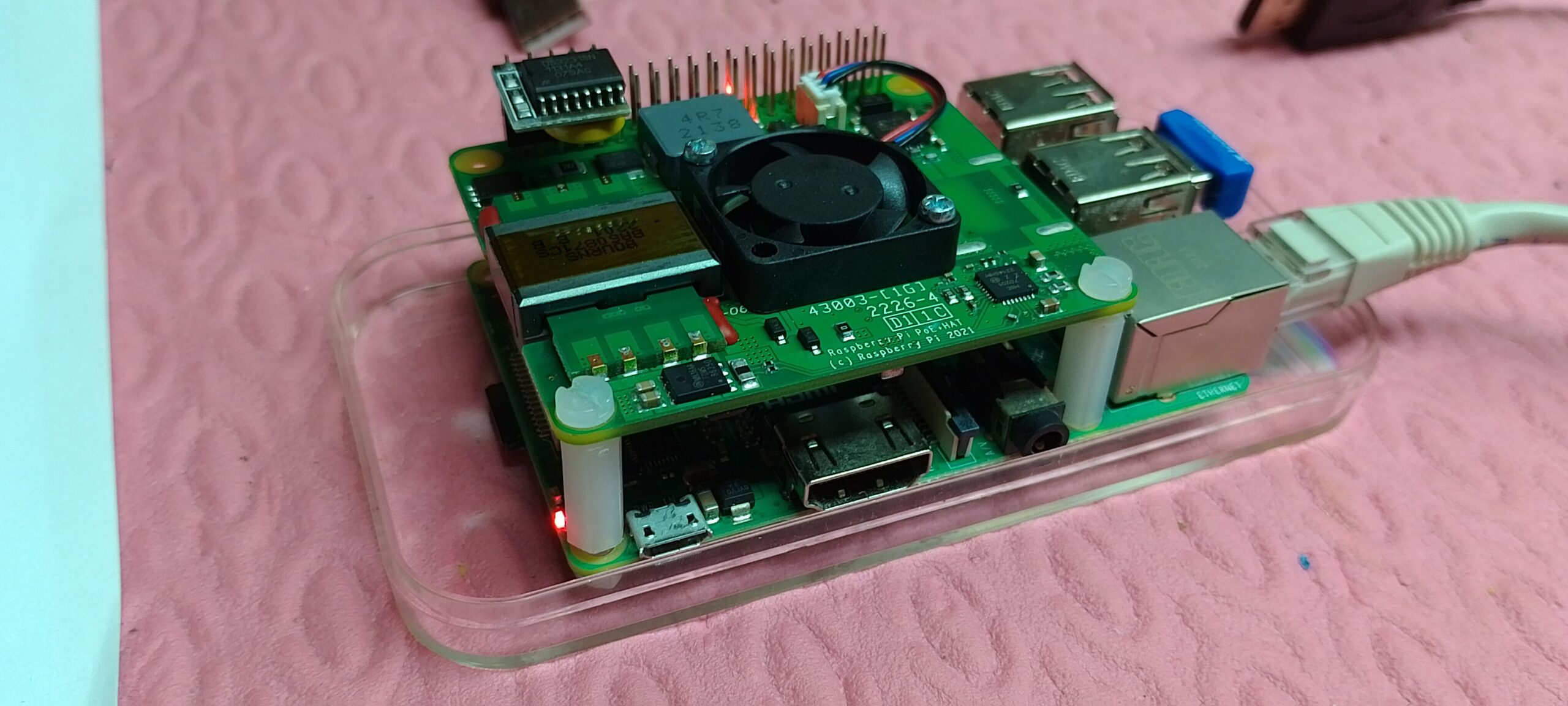
A few picture examples
Some of the Raspberry-Pi related computing has been spent on the ‘invisible’ part of computing. These activities include :- Reading, experimenting, coding, scripting, building , reviewing, breaking, fixing, bread-boarding, motorising, yes and even documenting because we all should have RTFM !! otherwise the result is FUBAR !! – Techies Know – Don’t ask. Its Impolite !!
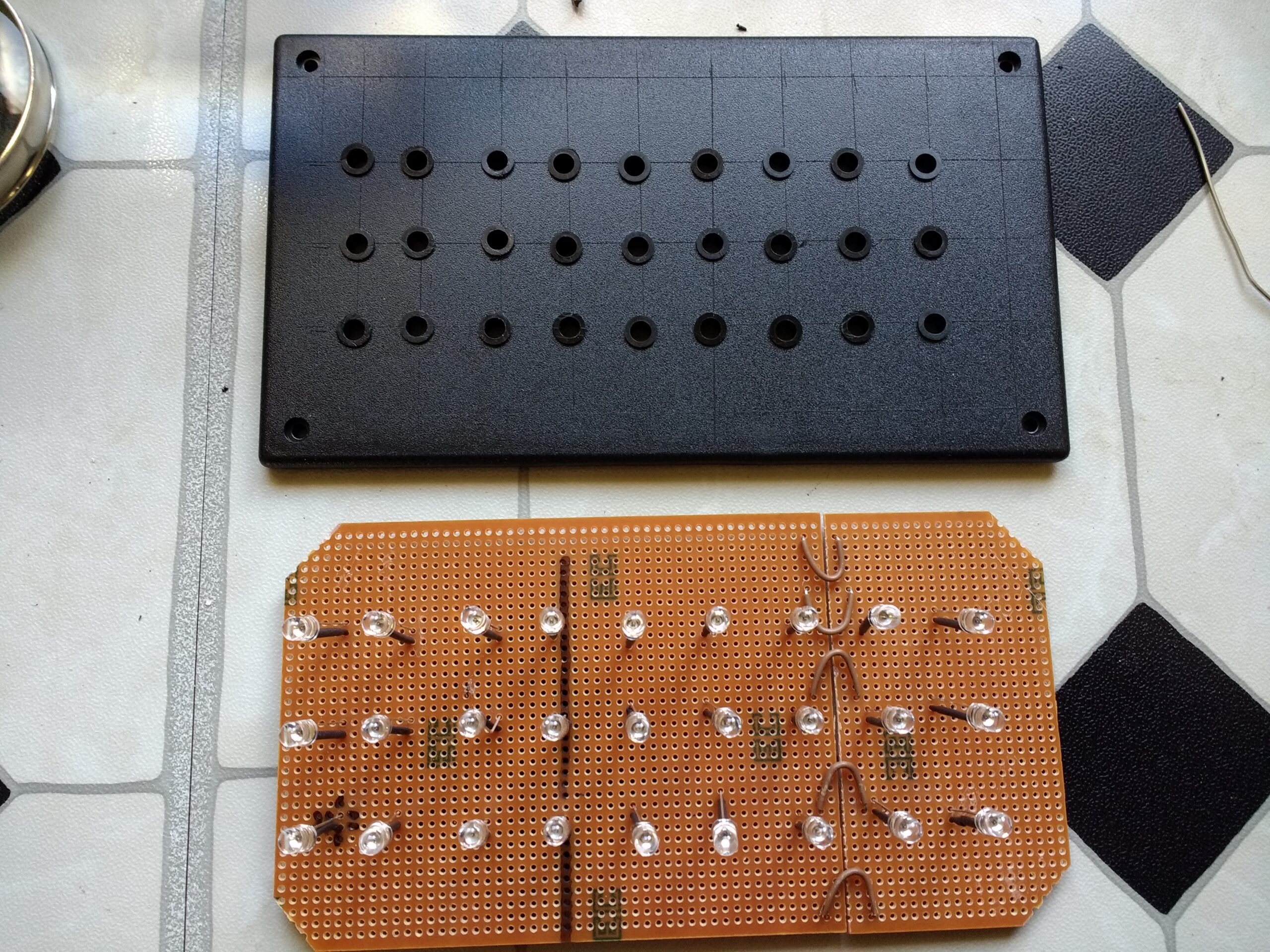
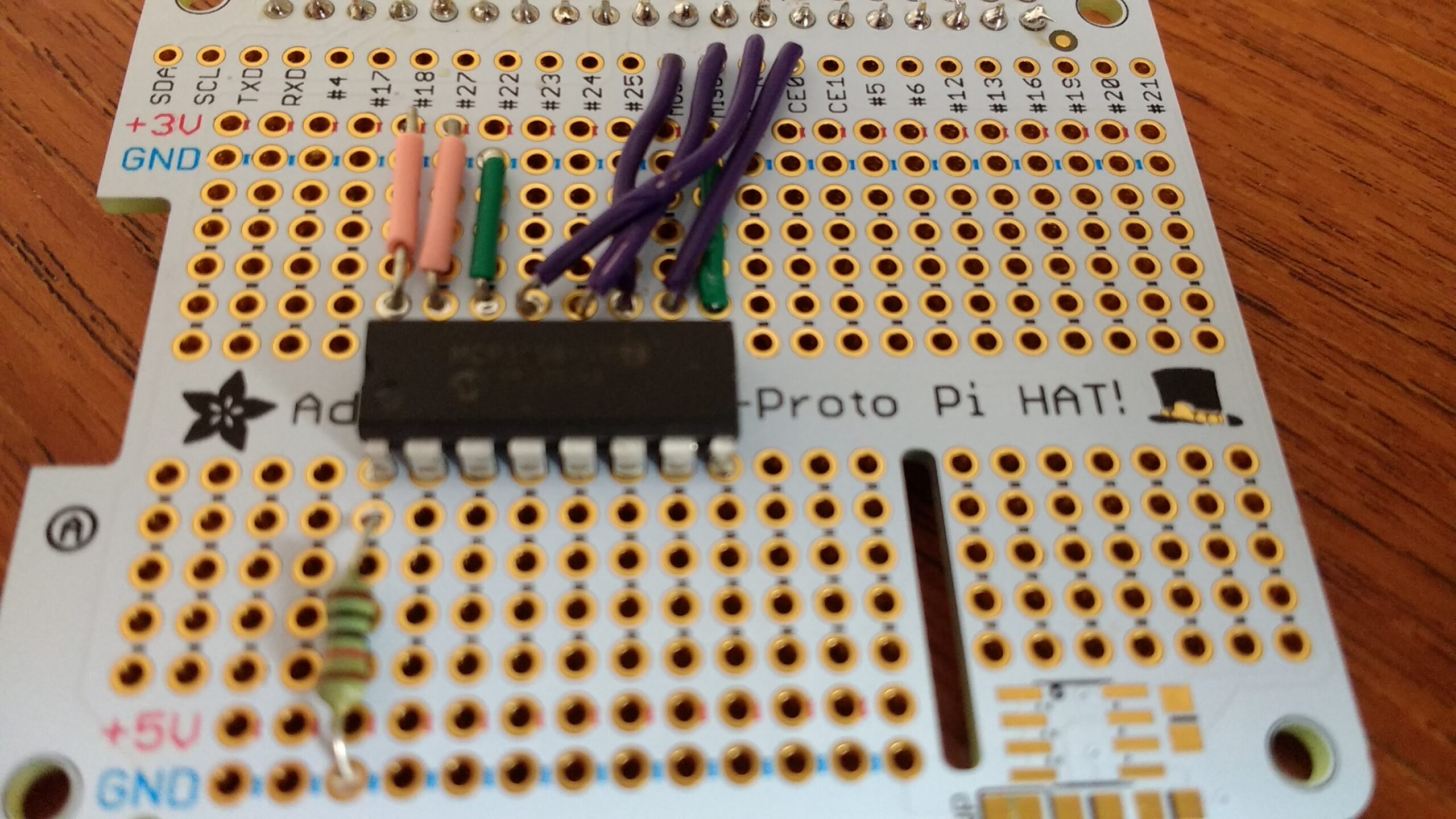
Programming !
Most of my projects are driven by ‘Python’ code , however it is sometimes useful to minimise overheads and use ‘BASH’. I found this to be the case in some early Time-lapse projects.
Project Examples
- Time-lapse photography – Day / Night
- P.O.E. [Power Over Ethernet]
- Nature Watch
- Experimenting
The first ever deployed box required a single 1200mAH Lithium Polymer Battery (Li-Po) and ran for approximately 8 hours. This was great as an easily deployed lightweight recording mechanism. Here is an example from that Box.
Battery versus P.O.E. [Power Over Ethernet]
Time-Lapse is fun; however the ability to record thousands of stills over a significant period is limited by :-
- Power consumption
- Battery Capacity
- Duration of capture.
Ditching 3 X 6V YUASA batteries in Favour of P.O.E allows continual power delivery and Durations of your choice.
It is also a pre-cursor to a bigger array, which I hope to use for night-life capture. At the moment these time-lapses are day-time only but cover longer periods of ‘real time’.
The first Time-lapse P.O.E. driven
There are limitations to P.O.E. You can only reach out as far as your Ethernet cable lets you. Everything has a limit !
Nature Watch ( a ‘pi-zero’ project)
Experimenting
LDR’s – Simulating darkness by covering an L.D.R. When dark the relay is activated and supplies (a power source) to the Infra Red Array. Essentially on/off = dark / light. Array is off during the day conserving Battery /P.O.E. power.


Leave a Reply